
You own a car with Italian engineering and you want parts and maintenance advice you can trust. Use genuine Maserati parts sourced from official channels and follow factory maintenance programs to keep performance, reliability, and resale value high.
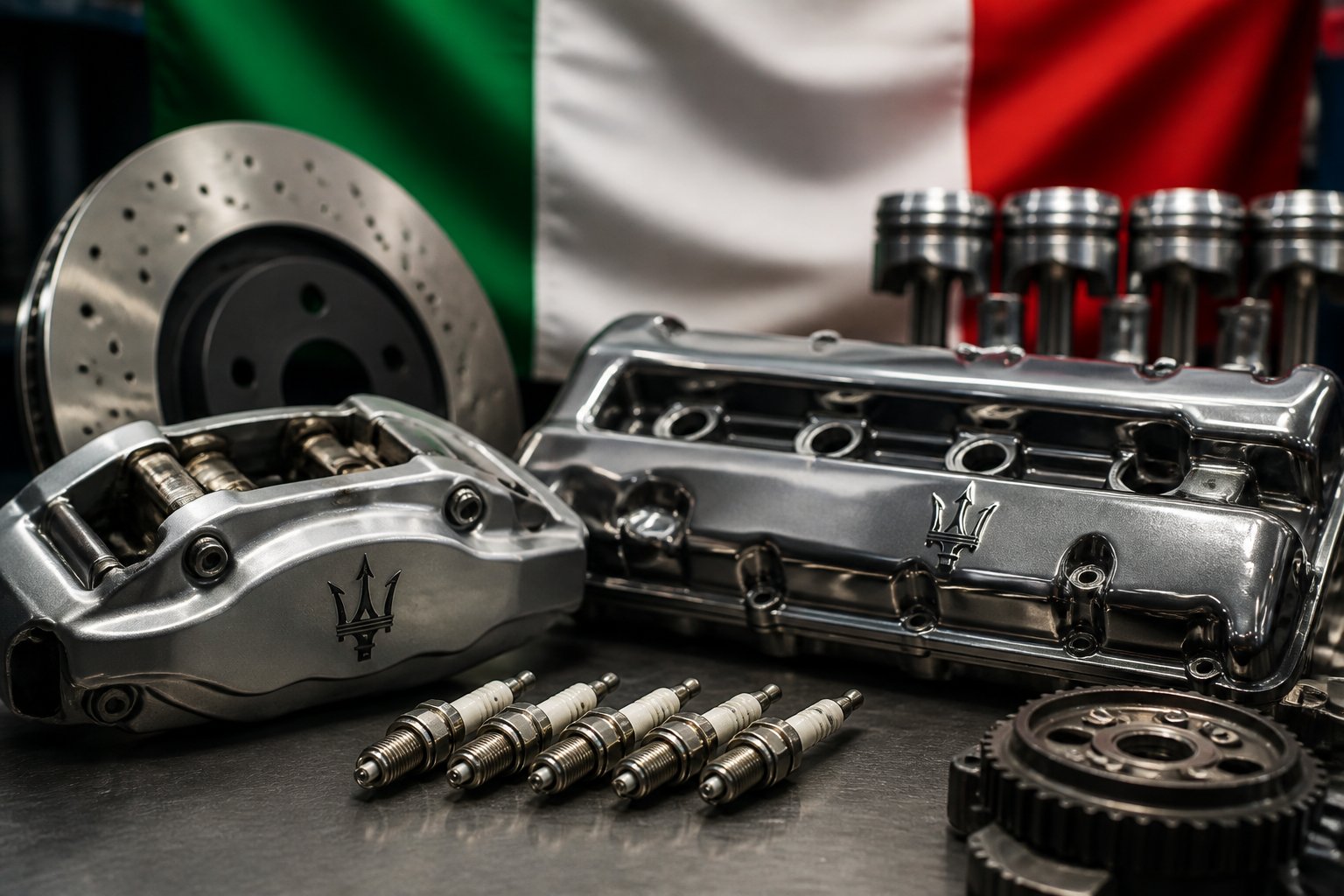
This guide shows which parts matter for common Maserati models, how prepaid maintenance and dealer service protect your investment, and where to find workshop manuals and OEM diagrams so you can make smart service decisions. Follow these steps and you’ll save time, avoid common mistakes, and keep your Maserati running as intended.
Key Takeaways
- Prioritize genuine parts and official service plans for consistent performance.
- Use factory manuals and correct part numbers when planning repairs.
- Schedule maintenance to protect long-term reliability and value.
Essential Maserati Models and Key Parts
You will find specific parts and maintenance priorities that matter most: engine and cooling components, brake and suspension items, and genuine electrical modules. Focus on OEM parts, correct part numbers, and dealer service for complex repairs.
GranTurismo Components and Upgrades
The GranTurismo centers on a front-mid V8 engine that needs regular oil, spark plugs, and timing-chain tensioner checks. Use Maserati genuine oil filter, correct viscosity oil (check your model year sticker), and OE spark plugs to keep power delivery smooth.
Cooling and intake parts often wear with age. Inspect the thermostat, water pump, and radiator hoses every 30k miles. Consider replacing the air intake resonator and mass airflow sensor if you notice throttle lag or uneven idle.
Brakes and suspension are key for handling. Fit OE brake pads, steel-braided lines, and correctly sized rotors when replacing components. For upgrades, high-performance pads and lighter rotors improve stopping without complex modifications.
Electrical components — ignition coils, ECU connectors, and camshaft position sensors — can cause hard-starts. Replace with genuine modules and keep wiring harness clips secure to avoid intermittent faults.
GranCabrio Maintenance Essentials
Your GranCabrio shares many mechanical parts with the GranTurismo but adds convertible-specific items. The soft-top motor, seals, and hydraulic lines need inspection and lubrication each year. Replace worn seals to prevent water ingress and interior damage.
Engine service follows the same V8 checklist: oil, filters, spark plugs, and periodic valve-train inspections. Pay attention to the cooling system; convertibles often run hotter in traffic. Replace the coolant and inspect the radiator for corrosion.
Electrical and trunk-area components include the top control module and drain channels. Clean drains to avoid water pooling. For audio and interior electronics, source OEM connectors and modules to maintain functionality.
Corrosion protection matters. Treat exposed chassis and undertray fasteners and inspect sill and door drain areas during service to avoid rust-related failures.
Levante and Levante S: Parts Breakdown
The Levante and Levante S use V6 engines with turbochargers; the S often has higher-output turbo hardware and different ECU tuning. Monitor turbo oil feed lines, boost hoses, and intercooler connections for leaks and cracks.
Routine items include PCV valve, oil filter, and timing components. Replace the air filter and fuel filter at recommended intervals to protect the turbo and injectors. For the S model, check for distinct turbochargers and related charge-pipe clamps during service.
Suspension and steering parts are wear items on SUVs. Inspect control-arm bushings, tie rods, and air-suspension components if equipped. Brake components should match the vehicle’s axle rating; use graded pads and rotors to handle the Levante’s weight.
For electronics, prioritize genuine sensors: mass airflow, MAP, and oxygen sensors. Replacing aftermarket parts with OEM equivalents prevents false error codes and maintains engine performance.
GranTurismo Sport Highlights
The GranTurismo Sport focuses on sharper handling and engine response. It often features revised dampers, stiffer anti-roll bars, and sport-tuned ECU mapping. Maintain these parts with periodic damper checks and mount inspections.
Engine tuning differences include more aggressive throttle mapping and sometimes different exhaust valves. Service the exhaust actuators and valve-control wiring to prevent limp-home conditions.
Wheels and tires on the Sport model require careful selection. Use the correct offset and load-rated tires to preserve steering geometry. Upgraded brake kits are common; fit matched calipers, pads, and rotors that follow Maserati part numbers.
If you upgrade, keep records of exact part numbers and calibrations. That helps during diagnostics and when ordering replacement OEM components.
Premium Maintenance Programs
These prepaid plans let you lock in factory services, parts, and labor at a set price. You get scheduled inspections, parts listed in the maintenance schedule, and work done at an authorized Maserati dealer.
Maintenance Premium: Coverage and Benefits
Maintenance Premium covers your car’s first three scheduled services as listed in the Maserati maintenance schedule. That includes inspections, routine replacements, and labor for items identified in the owner’s manual. You pay once up front and the program covers the specific checks and consumables outlined for those early intervals.
Benefits include predictable cost, use of Maserati genuine parts, and service by certified technicians at an authorized Maserati dealer. The plan typically covers items such as oil changes, filter replacements, multi-point inspections, and diagnostics. It does not usually cover wear items outside the schedule or damage from accidents, so confirm exact inclusions with your dealer before purchase.
Maintenance 10: Extended Service Packages
Maintenance 10 extends coverage beyond the initial services and usually covers services four through ten on the maintenance schedule. This package is for owners who want long-term prepaid care and prefer fixed costs for routine visits over several years.
The program follows the same approach: scheduled inspections, parts, and labor as defined by Maserati. You receive manufacturer-aligned procedures and software diagnostics at each interval. Check with your Maserati dealer for the precise list of covered services, any regional differences, and whether additional benefits—like towing or loaner vehicle options—are included.
First 3 Services—What to Expect
Your first three services follow specific time or mileage intervals in the maintenance schedule. Expect oil and filter changes, brake system checks, fluid top-ups, and inspection of belts, hoses, and tires according to factory recommendations. Technicians will run diagnostic checks and update vehicle software when required.
When you present the car at an authorized Maserati dealer, they will log service history into your vehicle record. Keep documentation to preserve warranty and resale value. If anything falls outside the prepaid coverage, the dealer will give you a clear estimate before proceeding.
Engine Technology and Efficiency
This section explains how modern oil chemistry and parts choices affect engine wear, fuel use, and long-term performance. You will learn why a high-quality synthetic base oil matters and which actions you can take to keep your Maserati engine running smoothly.
Shell PurePlus Partnership
Shell PurePlus is a process that turns natural gas into a very clean base oil. This base oil has fewer impurities than traditional crude-derived oils. For your Maserati, that means less sludge and lower chance of deposit buildup on pistons and valve stems.
OEMs and independent shops often recommend oils based on PurePlus for turbocharged engines like those in many Maserati models. You get better shear stability and consistent viscosity at high temperatures. That improves oil pressure control and extends service intervals when you follow the manufacturer’s specs.
Key benefits for you:
- Reduced deposits on critical parts
- Better protection under high boost and heat
- Cleaner oil helps sensors and turbocomponents stay accurate
Synthetic Base Oil Advantages
Synthetic base oils give your engine a stable film that resists breakdown at high temperatures. That stability preserves wear protection for bearings, camshafts, and rings during hard driving or long highway runs. You also see improved cold-start flow, which reduces wear in the first minutes after ignition.
Look for oils that meet Maserati or Ferrari/NHTSA-equivalent specs and the correct SAE grade. These oils maintain viscosity, cut friction, and support turbocharger longevity. They often contain additives for anti-wear, detergency, and corrosion control, so the base oil plus the additive package work together to protect your engine.
Practical points:
- Use the exact oil weight specified in your owner’s manual.
- Replace at recommended intervals; do not stretch beyond mileage limits.
- Verify OEM approvals or factory-recommended brands.
Enhancing Engine Efficiency
You can improve engine efficiency by combining correct oil choice with routine maintenance. Change oil and filters on schedule to keep hydraulic lifters, timing components, and variable valve systems responsive. Clean intake components and replace spark plugs on time to keep combustion efficient.
Consider these steps:
- Use PurePlus-based or equivalent synthetic oil approved for your model.
- Keep PCV and intake systems clean to prevent oil dilution.
- Monitor oil consumption and compression; address leaks or worn rings quickly.
Efficient engines run cooler, burn less fuel, and emit fewer pollutants. Small actions—correct oil, timely filters, and targeted repairs—produce measurable gains in fuel economy and engine life for your Maserati.
Workshop Manuals and Factory Procedures
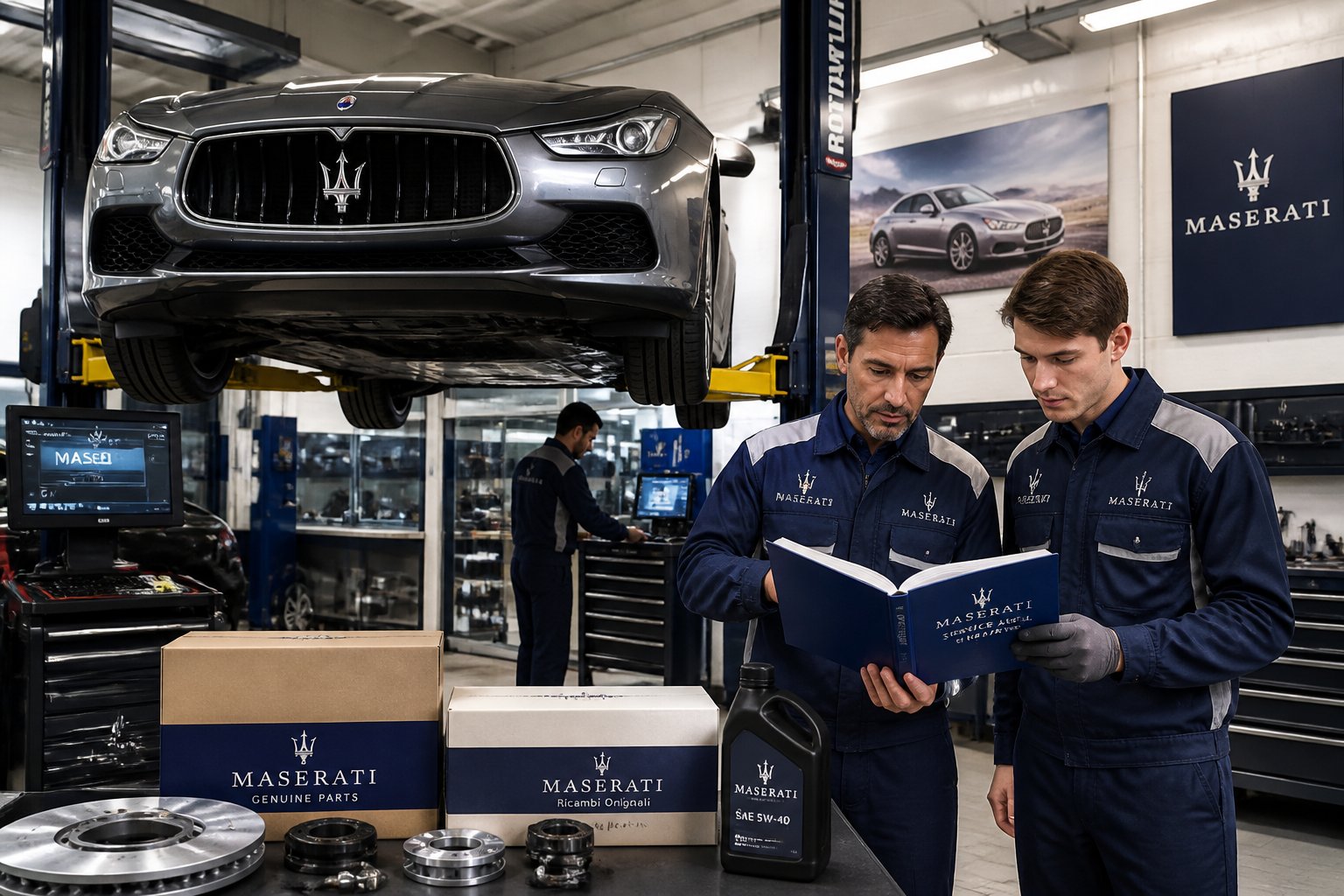
You will find official torque values, wiring diagrams, diagnostic codes, and step-by-step repair sequences that match Maserati factory intent. Use the manuals to confirm part numbers, fluid types, and safety steps before you begin work.
Accessing Official Workshop Manuals
Obtain manuals from Maserati TechInfo or authorized dealers to ensure accuracy. Digital downloads and subscription portals give you access to model-specific workshop manual PDFs, wiring diagrams, and service bulletins.
Check that the manual matches your VIN and model year. Manuals list factory part numbers, spare parts codes, and required special tools. If a procedure calls for a tool you don’t have, note the tool code and order the correct item rather than improvising.
Keep manuals in searchable digital format when possible. Use the PDF’s find function for torque specs, pin-out functions, or control unit locations. Print critical pages like torque tables and hydraulic schematics for the bay.
Understanding Factory Specifications
Factory specifications are the baseline for safe repairs. They include torque settings, fluid types and capacities, electrical pin-outs, and service intervals that the workshop manual defines.
Record torque values exactly as listed; small deviations can cause leaks or component failure. Use the specified fluids—engine oil grade, transmission fluid, coolant mix—and note capacities for filling and bleeding.
Factory diagnostic codes and ECU troubleshooting steps guide your fault isolation. Follow the wiring diagrams and connector pin-outs to avoid miswiring. Manufacturer tolerances for measurements (clearances, runout) appear in tables—measure twice and compare to the manual.
Step-by-Step Repair Procedures
Follow the workshop manual’s numbered procedure for each repair task. Manuals break jobs into steps: preparatory checks, disassembly, inspection, replacement, reassembly, and final checks with torque sequence and testing.
Use the manual’s special tool list and repair times. Special tools often protect expensive parts and ensure correct alignment. Compare repair steps to the parts list to confirm you have all gaskets, seals, and fasteners.
Record service actions and reference the manual’s post-repair tests. Perform leak checks, road tests, and ECU clears as described. Keep the manual’s bulletin or campaign notes handy for model-specific fixes that change factory procedures.
Genuine Parts, Sourcing, and the Maserati Dealer Network

You should choose parts and service that protect vehicle value and performance. Prioritize factory-fit components, know where to buy them, and pick service centers that follow Maserati’s technical standards.
OEM Versus Aftermarket Parts
OEM (original equipment manufacturer) parts carry Maserati part numbers and match factory fit, materials, and tolerances. Using OEM parts ensures correct fit for models like the Ghibli, Levante, or GranTurismo and preserves warranty conditions when installed by an authorized center. Expect higher price and direct shipping from Maserati parts warehouses or official dealer stock.
Aftermarket parts can save money but vary widely in quality. Some suppliers make high-quality components to the same specs; others cut corners on materials or coatings. If you choose aftermarket, check part numbers, supplier reputation, and return policies. Keep receipts and compare the part’s warranty length to OEM warranty before installation.
Key checklist:
- Confirm Maserati part number
- Inspect material and finish on delivery
- Verify warranty length and coverage
- Prefer OEM for safety systems and engine components
Maserati Dealer Access and Service Quality
Dealers provide direct access to genuine parts, factory software updates, and trained technicians certified for Maserati models. When you take your car to a Maserati dealer, they can source hard-to-find items from the manufacturer’s network and log services in the official history, which helps resale value. Dealers also have access to technical bulletins and recall information you might not get elsewhere.
Service quality varies by location, so check dealer credentials and customer reviews. Ask if technicians complete Maserati factory training and whether they use genuine fluids and diagnostic tools. Request written estimates that list OEM part numbers, labor hours, and warranty terms. If your dealer cannot source a part quickly, ask them to order through the Maserati parts network rather than accept unknown aftermarket substitutions.
Maintenance Scheduling and Long-Term Care
You should plan regular checks and follow the factory maintenance schedule to protect engine life, warranty coverage, and resale value. Book services with authorized Maserati dealers and keep detailed service records.
Routine Checks and Service Intervals
You must check tire pressure, engine oil level, coolant, and brake fluid at least monthly. Use the PSI listed on your driver door placard for tires and check oil with the dipstick when the engine is cold or after it has sat long enough to cool.
Follow time-based service intervals in your Maserati maintenance schedule rather than only relying on mileage. Typical items include oil and filter every 12 months or per schedule, brake inspection at each service, and major inspections (timing, belts/chains, suspension) at multi-year checkpoints. Keep receipts and service history to preserve warranty and value.
Use this quick checklist:
- Monthly: tires, oil level, lights, windshield fluid.
- Every service (per dealer schedule): oil/filter, brake pads, software diagnostics.
- Long-term (multi-year): timing system check, coolant flush, transmission service.
Navigating the Maintenance Schedule
You should get the official Maserati maintenance booklet for your model and follow its entries exactly. The schedule lists service items by time and by service number (for example, Maintenance Premium for first three services, Maintenance 10 for later services), so match the dealer invoice to the correct service number.
Book services with authorized Maserati dealerships to ensure genuine parts and factory diagnostics. Ask for a printed or digital service report showing performed checks and part numbers. If you drive in harsh conditions (hot climates, salty roads), shorten intervals for fluid changes and corrosion checks.
Use a calendar or app to track upcoming services and reminders. Record odometer reading and date at each visit so you can prove compliance with scheduled maintenance when selling or claiming warranty coverage.
Frequently Asked Questions
You will find clear checks for authenticity, exact part-number matching steps, which parts to replace at set mileages, safety around remanufactured parts, import costs and timing, and common early-failure signs. The answers list specific actions you can take and what documents or tests to request.
How can I verify that a replacement component is genuine and not an aftermarket imitation?
Ask the seller for the OEM part number and compare it to the number in your owner’s manual or dealer database. Genuine parts carry Maserati markings, holograms, or OEM packaging; take photos and compare them to factory images.
Request a certificate of authenticity or original invoice from an authorized Maserati dealer. If buying online, check seller reviews, return policies, and whether the seller is a certified Maserati parts distributor.
Inspect the part for quality cues: correct materials, precise machining, and matching fasteners. Poor fit, inconsistent finish, or incorrect logos usually indicate aftermarket or counterfeit parts.
Which routine service items should be replaced at specific mileage intervals to maintain reliability?
Replace engine oil and filter every 10,000–15,000 km (6,000–9,000 miles) or per the Maserati service schedule. Use the exact oil grade and filter specified for your engine.
Change spark plugs every 40,000–60,000 km (25,000–37,000 miles) depending on model and plug type. Replace the air filter and cabin filter at least every 20,000–30,000 km (12,000–18,000 miles) or sooner in dusty conditions.
Replace brake fluid every two years. Inspect brake pads and rotors at 20,000 km (12,000 miles) intervals; swap pads at 30–50% wear depending on driving. Replace coolant and belts per the workshop manual intervals—usually 60,000–100,000 km for belts, and service coolant every 4–6 years.
What is the best way to match the correct part number to my exact model, year, and VIN?
Use your VIN as the primary identifier; the VIN pins down production variations and options. Give the VIN to an authorized Maserati parts department or use an official parts catalog tied to VIN input.
Cross-check the OEM part number from the parts diagram against the part code stamped on the old component. Keep a photo of the old part, its label, and the vehicle’s VIN when ordering to avoid mistakes.
Are refurbished or remanufactured components a safe option for critical systems like brakes or suspension?
Refurbished brake calipers and suspension components can be safe if remanufactured to OEM specs by a reputable shop. Verify that the remanufacturer uses new wear items (seals, bearings, pads) and publishes a work report or warranty.
Avoid unknown refurbishers for critical systems. For high-load or safety items, prefer new OEM parts or remanufactured units certified by recognized suppliers and backed by a warranty.
What should I know about importing components from Europe in terms of shipping, duties, and lead times?
Expect lead times of 1–6 weeks depending on whether parts ship from a dealer stock or require factory allocation. Air freight speeds delivery but raises costs; sea freight is cheaper but slower.
Budget for import duties, VAT or GST, and customs brokerage fees. Check your country’s tariff code for automotive parts and factor local taxes into the total cost before you order.
Verify return policies and warranty coverage across borders. Some dealers will not cover warranty claims outside the country of sale, so confirm cross-border support before purchasing.
Which common wear components tend to fail first, and what early warning signs should I watch for?
Brake pads and tires wear fastest; watch for grinding noises, reduced braking feel, or uneven tread wear. Vibrations under braking or steering can signal warped rotors or failing suspension joints.
Battery and starter issues appear in older batteries; look for slow cranking or dim lights. Oil leaks, burning oil smell, or low oil levels often come from valve cover gaskets or seals.
Watch for warning lights, unusual engine noise, and transmission slips. Address small issues quickly to avoid major repairs later.